
If you pay attention to internet commercials or look at your monthly bill, you have probably noticed that almost every provider uses the word “fiber.“ Cable companies talk about their “fiber-powered” networks. Phone companies promise “fiber-backed” speeds. Even wireless providers advertise home internet “powered by America’s strongest fiber network.” So if everyone is using fiber, why does internet service still slow down during a rainstorm, freeze during a Zoom call, or lag when the neighbors get home? Here is what doesn’t get mentioned: almost every modern internet provider uses fiber optic cables for the heavy lifting across long distances. The difference comes down to the “last mile”, the final stretch from the neighborhood network box to your front door. Here is a simple guide to the different “partial fiber” technologies out there, and how to tell if you have genuine, 100% Fiber-to-the-Home.
The “Partial Fiber” Family: How Other Networks Work
When a provider advertises a “fiber-rich” or “fiber-powered” network, they usually mean they use fiber to get the internet close to your neighborhood, but rely on older materials for the final delivery:
1. Fiber-Fed Cable (Hybrid Coaxial)
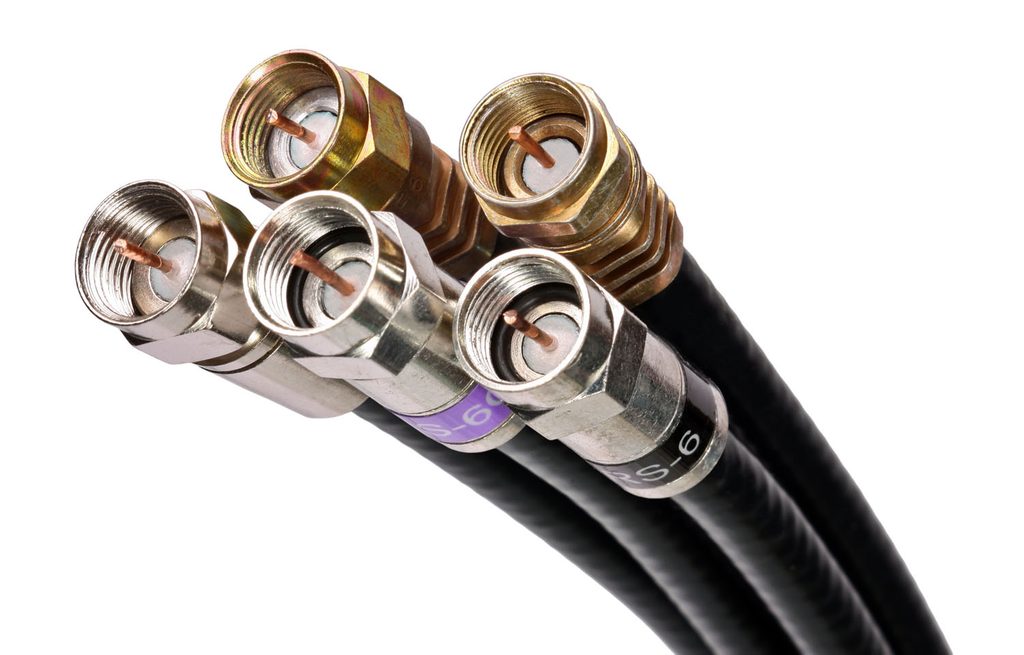
Fiber optics carry data to a green cabinet or node on your street. From there, it switches to legacy copper coaxial cable (the thick, round wire originally built for cable TV) to reach your house. However, copper coax wasn’t designed for two-way digital traffic. While download speeds can be fast, upload speeds are severely restricted, and you share that copper bandwidth loop with your closest neighbors.
2. Fiber-Fed DSL (Fiber-to-the-Node)
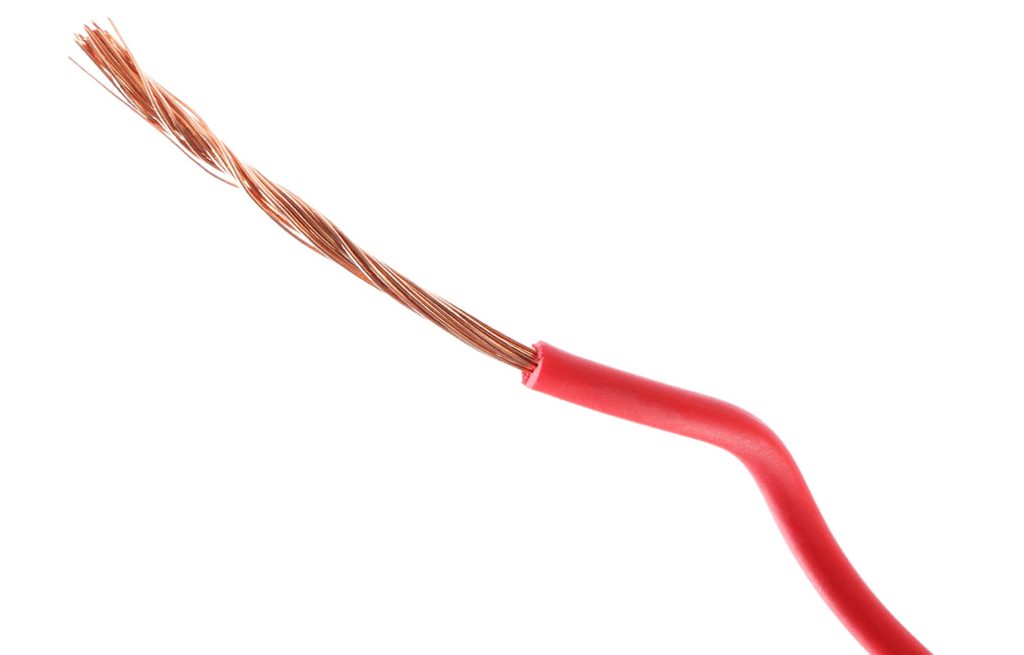
In this setup, high-speed fiber runs to a local phone box down the road. The signal then travels over traditional copper telephone wires into your home. Telephone lines degrade quickly over distance, so the farther your house is from that street box, the slower and less reliable your connection becomes.
3. Fiber-Fed Wireless & 5G Home Internet
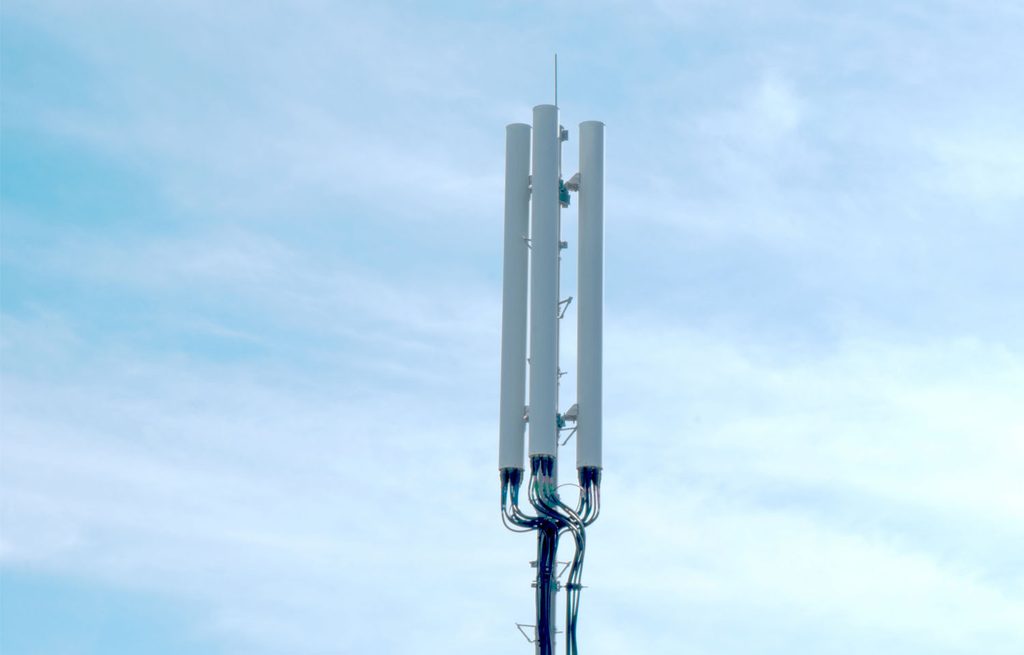
Fiber optics connect directly to a local cell tower or broadcast pole. That tower then beams internet signals through the airwaves to a receiver inside or outside your home. Because the last stretch travels through the air, physical obstacles like trees, heavy rain, foliage, and building materials (like brick or metal roofing) can weaken your signal and cause lag.
The Highway Analogy
You can think of your internet connection like a cross-country trip. With partial fiber, imagine you are driving on a smooth, private drive for 90% of your trip. But when you take your exit, the road turns into a bumpy dirt path, a narrow single-lane bridge, or a foggy mountain trail right before your driveway. No matter how fast you drove before, that last stretch slows you down. Now with 100% fiber, imagine that smooth, private drive leading directly into your garage. No dirt roads, no single-lane bridges, and no weather delays. Just a direct, clear path all the way home.
4 Easy Ways to Spot True 100% Fiber
You don’t need a degree in technology to figure out what kind of internet is connected to your house. You just need to check four simple things:
1. Check the Wire (or Gateway) at Your Wall
Look at where the internet enters your home:
- Cable: Connects with a thick, round wire with a metal head that screws onto a wall outlet.
- DSL: Plugs into a traditional modular phone jack.
- 5G/Fixed Wireless: Uses a box placed near a window or an antenna mounted on your roof pointing toward a cell tower.
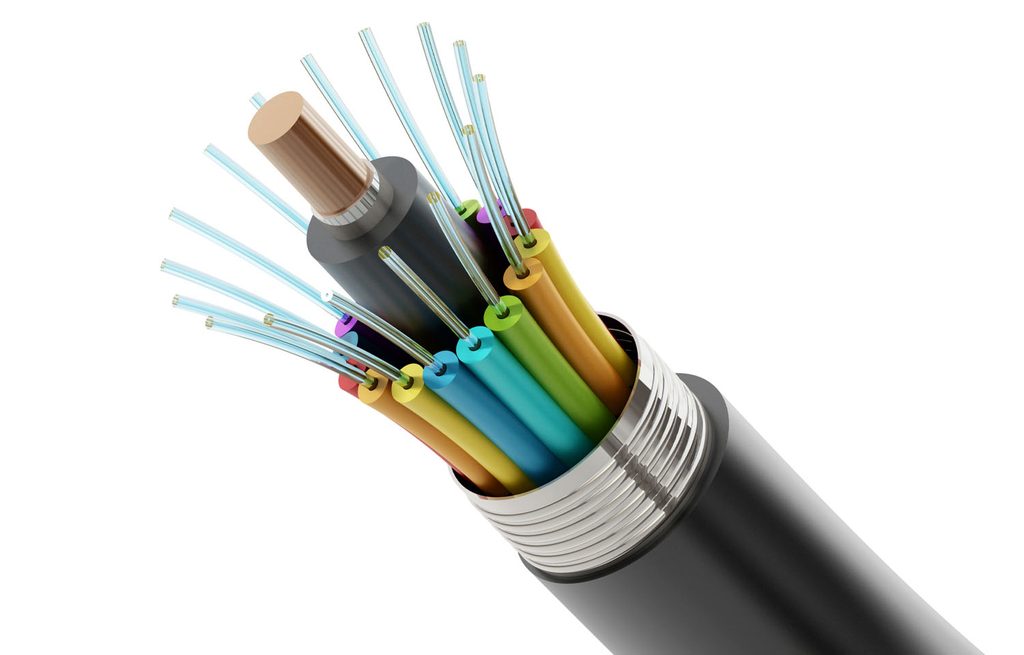
- 100% Fiber: Uses a thin, flexible glass-fiber cord that connects to a compact optical box on your wall, which then links directly to your Wi-Fi router.
2. Run the “Upload Speed” Test
Head over to Speedtest.net on a connected device and run a quick test. From the download and upload numbers, you can gain a sense of how the network is set up. With partial fiber, your download speed might look great (e.g., 300 Mbps or 1,000 Mbps), but your upload speed will be significantly lower (often just 10 to 35 Mbps). But a 100% fiber network will match download and upload speeds. If you pay for 1,000 Mbps down, you get 1,000 Mbps up.
3. The “7:00 PM” Congestion Test
Pay attention to your internet speed when everyone on your street gets home in the evening. Shared neighborhood loops (cable) and shared tower capacity (5G) mean peak hours can bring sudden buffering, video lag, or lower picture quality. In contrast, you have a dedicated strand of light running straight to your home with complete fiber. Your neighbors streaming 4K movies or downloading massive updates won’t slow your connection down by a single bit.
4. The Weather Test
Notice what happens when heavy rain, wind, or snow rolls through your area. Wireless signals can struggle to pass through heavy rain or thick foliage, and older copper lines in the ground can glitch when moisture gets into aging street boxes. Light moving through optical glass strands, however, is completely immune to rain, moisture, electromagnetic interference, and temperature swings.
Why Equal Upload Speeds Change Everything
Most internet plans emphasize download speeds for watching videos or opening web pages. But upload speed is what powers everything you send out from your home:
- Glitch-Free Video Calls: Crystal-clear video on Zoom, FaceTime, or Work Teams without frozen screens or delayed audio.
- Fast Cloud Backups: Uploading photo albums, 4K videos, or large work files to Google Drive or iCloud in seconds rather than hours.
- Smooth Gaming: Ultra-low response times (latency) mean zero lag when playing online.
- Reliable Smart Home Tech: Security cameras and smart doorbells stream HD video reliably, even when multiple devices are active at once.
Honest Internet, Backed by Your Neighbors
Upgrading your home internet should bring peace of mind, not hidden surprises. We build 100% Fiber-to-the-Home networks because we believe our community deserves fast, reliable connection without the fine print. When you connect with us, you always get:
- No Data Caps: Unlimited streaming, gaming, and working with zero overage charges or artificial slowdowns.
- No Annual Contracts: Freedom to stay because you love the service, not because a contract forces you to.
- No Hidden Fees: Straightforward, transparent pricing that stays clear on your monthly bill.
- 100% Local Customer Service: Friendly support from people who live and work right here in your community.
Ready to find out if 100% Fiber is available on your street? Enter your address today to check coverage!